
"coffee market collapse"
300 article(s) found

The origin of Kopi Luwak behind Kopi Luwak and Kopi Luwak how much is Kopi Luwak?
Kopi Luwak is made in Indonesia. In the early 18th century, the Dutch established coffee plantations in the Indonesian colonies of Sumatra and Java, and banned locals from picking and eating their own coffee fruits. Indonesian locals inadvertently found that civets love to eat these coffee fruits and will drain the beans intact when defecating. The civet can only pick the most.

Civet Coffee Introduction Civet Coffee Quality
Professional barista communication, please pay attention to coffee workshop (Weixin Official Accounts cafe_style) hand-washed flower chief parameters: 15g powder, medium fineness grinding (small Fuji ghost tooth knife 3.5 grinding), v60 filter cup, 9193 degrees water temperature. The first injection of 30g water, 27 seconds of steam-proof, injection to 105g water cut off, wait for the powder bed water to drop to half of the water and then inject water slowly until 225g water
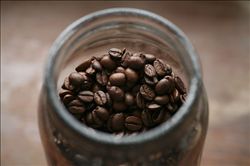
How much is Kopi Luwak? how much is the Kopi Luwak? the price of Kopi Luwak.
Kopi Luwak is made in Indonesia. In the early 18th century, the Dutch established coffee plantations in the Indonesian colonies of Sumatra and Java, and banned locals from picking and eating their own coffee fruits. Indonesian locals inadvertently found that civets love to eat these coffee fruits and will drain the beans intact when defecating. The civet can only pick the most familiar.

Coffee production in Mexico is the fourth largest coffee producer in the world.
Mexico (Mexico) is the fourth largest coffee producer in the world. Most of its coffee is produced by nearly 100000 small farmers, and large estates that once manipulated the coffee industry are rare. Coffee production in Mexico: the best coffee producer in Mexico is Chiapas in the south of the country, where coffee varieties include Tapanchula and Hui
The origin of civet coffee Kopi Luwak what is the price of civet coffee
Civet Coffee Editor Muscat Coffee (Kopi Luwak), produced in Indonesia. It is one of the most expensive coffee in the world, with a price of several hundred dollars per pound. It is extracted from the feces of the civet and processed. The civet eats the ripe coffee fruit, which is excreted by the digestive system and fermented by the stomach.
Coffee beans produced in Mexico Mexico
Coffee from the world's fourth-largest coffee producer, Mexico, produces about 5 million bags of coffee annually. Most of its coffee is produced by nearly 100,000 smallholder farmers, and the large estates that once dominated the coffee industry are rare. Mexican coffee yields about 630 kg per hectare. Instituto Mexica

Coffee knowledge Coffee Origin Mexico
Coffee from the world's fourth largest coffee producer, slippery and fragrant, Mexico, the fourth largest coffee producer in the world, produces about 5 million bags of coffee a year. Most of its coffee is produced by nearly 100000 small farmers, and large estates that once manipulated the coffee industry are rare. The yield of Mexican coffee is about 630 kg per hectare. Later, the Mexican Coffee Association (Instituto Mexicano)
Boutique Coffee Coffee from Mexico
Coffee from the world's fourth largest coffee producer, slippery and fragrant, Mexico, the fourth largest coffee producer in the world, produces about 5 million bags of coffee a year. Most of its coffee is produced by nearly 100000 small farmers, and large estates that once manipulated the coffee industry are rare. The yield of Mexican coffee is about 630 kg per hectare. Later, the Mexican Coffee Association (Instituto Mexicano)
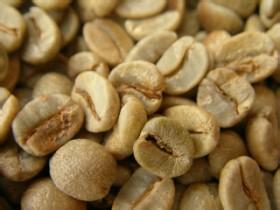
World Coffee Boutique Estate: Mexico Liquidambar MS
Coffee from the world's fourth-largest coffee producer, Mexico, produces about 5 million bags of coffee annually. Most of its coffee is produced by nearly 100,000 smallholder farmers, and the large estates that once dominated the coffee industry are rare. Mexican coffee yields about 630 kg per hectare. Instituto Mexica

Introduction to Robusta Coffee Bean
Pay attention to coffee reviews (Weixin Official Accounts vdailycom ) and find a beautiful cafe to open its own small shop cat excrement coffee, produced in Indonesia. In the early 18th century, the Dutch established coffee plantations in the Indonesian colonies of Sumatra and Java, and prohibited the locals from picking and eating their own coffee fruits. Indonesian locals accidentally discovered that civet cats love to eat these coffee fruits

Why boycott the world's most expensive coffee cat shit coffee?
Cat poop coffee is one of the most expensive coffees in the world, costing hundreds of dollars per pound. It is extracted from the faeces of the civet cat, which eats the ripe coffee fruit and excretes it through the digestive system. Due to the fermentation of the stomach, the coffee produced has a different taste and has become a hot commodity in the international market. Cat poop coffee, Indonesia. 18th century
Coffee beans America and Mexico
Coffee from the world's fourth largest coffee producer, slippery and fragrant, Mexico, the fourth largest coffee producer in the world, produces about 5 million bags of coffee a year. Most of its coffee is produced by nearly 100000 small farmers, and large estates that once manipulated the coffee industry are rare. The yield of Mexican coffee is about 630 kg per hectare. Later, the Mexican Coffee Association (Instituto Mexicano)
Coffee producing area-Mexico
Coffee from the world's fourth largest coffee producer, slippery and fragrant, Mexico, the fourth largest coffee producer in the world, produces about 5 million bags of coffee a year. Most of its coffee is produced by nearly 100000 small farmers, and large estates that once manipulated the coffee industry are rare. The yield of Mexican coffee is about 630 kg per hectare. Later, the Mexican Coffee Association (Instituto Mexicano)
Introduction to the characteristics of coffee flavor and taste of Bolivian snow vein manor with rich sour taste
It formed a federation with Peru in 1836 and collapsed as a result of the Chilean invasion in 1839. In 1863, rich saltpetre deposits were discovered in Atacama province along the Pacific coast. In 1879, Chile sent troops to occupy the mining area, and Bolivia joined forces with Peru to wage the Pacific War with Chile. Bolivia was defeated in 1883 and ceded the saltpeter-rich Pacific coast to Chile, Bolivia in 1904.
Mexican Coffee Manor the growing environment of Mexican coffee beans
Mexico comes from the world's fourth largest coffee producer. It is slippery and fragrant. Mexico, the fourth largest coffee producer in the world, produces about 5 million bags of coffee a year. Most of its coffee is produced by nearly 100000 small farmers, and large estates that once manipulated the coffee industry are rare. The yield of Mexican coffee is about 630 kg per hectare. Later, the Mexican Coffee Association (Instituto)

Kopi Luwak, the cat miserable because of feces, you can't see it at all.
Kopi Luwak, also known as civet coffee, is one of the most expensive coffee in the world, costing hundreds of dollars per pound. It is by the civet to eat mature coffee fruit, through the digestive system out of the body, extracted and processed, due to the fermentation through the stomach, so the coffee has a different taste. At present, Kopi Luwak has become a hot spot in the international market.

Why boycott the world's most expensive coffee Kopi Luwak?
Kopi Luwak is one of the most expensive coffee in the world, costing hundreds of dollars per pound. It is extracted from the feces of the civet and processed. The civet eats the ripe coffee fruit and is excreted through the digestive system. Due to the fermentation of the stomach, the coffee produced has a special taste and has become a hot product in the international market. Kopi Luwak is made in Indonesia. The 18th century
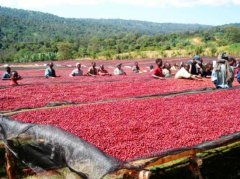
Mexico Coffee--Mexico Coffee Origin Mexico Coffee Introduction
Coffee from the world's fourth largest coffee producer, Mexico, produces about 5 million bags of coffee annually. Most of its coffee is produced by nearly 100,000 small farmers, and the large estates that once dominated the coffee industry are few and far between. Mexican coffee yields about 630 kg per hectare. Mexican Coffee Association (Instituto Mexicano)

Coffee from Mexico, the fourth largest coffee producer in the world
Coffee from the world's fourth largest coffee producer, slippery and fragrant, Mexico, the fourth largest coffee producer in the world, produces about 5 million bags of coffee a year. Most of its coffee is produced by nearly 100000 small farmers, and large estates that once manipulated the coffee industry are rare. The yield of Mexican coffee is about 630 kg per hectare. Later, the Mexican Coffee Association (InstitutoMexicanode)

Belgian chocolate brand Godivan Godiva is about to join the coffee industry scuffle.
Professional coffee knowledge exchange more coffee bean information please follow the coffee workshop (Wechat official account cafe_style) Belgian chocolate brand Godivan Godiva is going to enter the coffee market